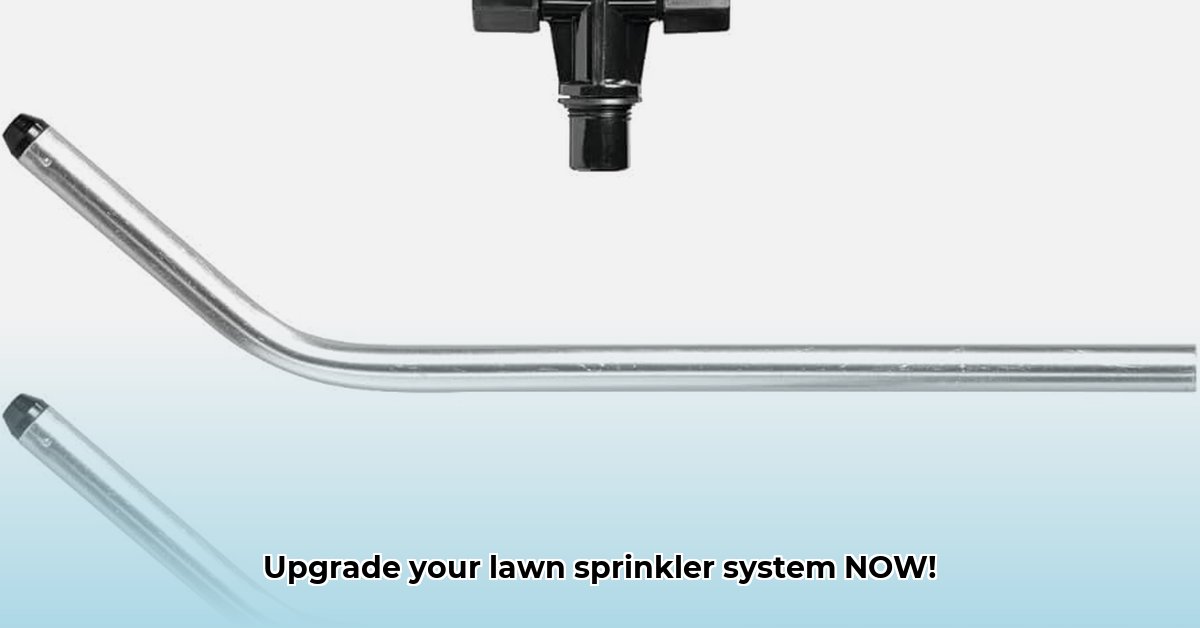
Tractor Lawn Sprinkler Parts: Optimizing Your Irrigation System for Sustainable Farming
Choosing the right parts for your tractor-powered sprinkler system is crucial for efficient and sustainable farming. This guide simplifies the process, helping you select, install, and maintain the best components for a thriving farm, regardless of its size. For fertilizer application, consider a tractor pull-behind spreader.
Understanding Your Watering Needs: The Foundation of Efficient Irrigation
Before selecting parts, thoroughly assess your farm's unique needs. Consider factors such as:
- Acreage: A small vegetable patch requires a far different system than a large field of corn.
- Crops: Different plants have varying water needs, influencing the type and intensity of irrigation required.
- Soil Type: Sandy soil drains faster than clay, impacting watering frequency and volume.
- Water Source: A well, river, or municipal supply will influence pump selection and system pressure. Is your water source reliable?
This assessment is your roadmap to selecting the optimal sprinkler system and components. Failing to consider these factors can lead to inefficient watering practices and wasted resources. Do you currently have some form of irrigation? Understanding your existing infrastructure will inform the purchase of new parts.
Essential Tractor Lawn Sprinkler Parts: A Detailed Overview
Let's explore the key components of a tractor-powered sprinkler system:
Nozzles: The Heart of Water Distribution
Nozzles determine how water is distributed. Options range from gentle showers to powerful bursts. Regular cleaning is crucial to maintain even watering and prevent water waste. Clogged nozzles lead to uneven water distribution, potentially harming some plants while others struggle. Imagine the frustration of seeing part of your crop wither!
Pipes and Fittings: The System's Plumbing
These form the backbone of your system. High-quality, durable materials (such as corrosion-resistant metal or high-density plastic) are vital for withstanding pressure and preventing leaks. Leaks waste water and potentially damage your land. Choose materials that resist the effects of agricultural chemicals, common in many farming operations.
Pumps: The Powerhouse of Irrigation
Pumps deliver the necessary water pressure. Choose a pump appropriately sized for your water source and the system's demand. An undersized pump struggles to keep up, resulting in uneven water delivery. Conversely, an oversized pump wastes energy and may create unnecessary pressure.
Filters: Protecting Your System's Integrity
Filters prevent dirt and debris from damaging nozzles and other components. Regular cleaning or replacement is essential for maintaining optimal system performance. Neglecting filter maintenance leads to reduced efficiency and potential system failure.
Controllers: Automating Irrigation for Efficiency
Modern controllers allow for programmable watering schedules based on weather and crop needs. Some controllers even integrate with weather apps for automatic adjustments. This automation ensures your plants receive exactly the right amount of water, conserving a precious resource and maximizing yields.
Smart Shopping: Tips for Choosing the Right Parts
Investing in quality components ensures long-term system performance and value.
Reputation: Prioritize established brands with a proven track record of reliability and durability. While their initial cost might be slightly higher, the longevity and reduced maintenance costs often outweigh the premium.
Reviews: Research online reviews from other farmers to gain insights into component performance and reliability. This feedback helps avoid potential pitfalls based on other's experiences.
Materials: Opt for materials resistant to the elements and agricultural chemicals. Stainless steel and high-density plastics provide excellent durability and resistance to corrosion.
Maintainability: Choose easily accessible parts for simple cleaning and maintenance. This reduces downtime and keeps your system operating efficiently.
Maintaining Your Irrigation System: A Guide to Longevity
Regular maintenance is crucial for prolonging the lifespan of your system and preventing costly repairs.
Regular Inspections (Monthly): Inspect the entire system for leaks, cracks, or unusual wear. Early detection of minor issues prevents major problems.
Nozzle Cleaning (Regularly): Clean nozzles frequently to ensure efficient water distribution. Clogged nozzles waste water and lead to uneven irrigation.
Filter Maintenance (Regularly): Regularly check and clean or replace filters to maintain optimal water flow. Dirty filters restrict flow, reducing efficiency.
Lubrication (As Needed): Lubricate moving parts as recommended by the manufacturer to minimize friction and prolong component lifespan.
Annual Professional Inspection: Consider an annual professional inspection to identify potential issues you may overlook. This proactive approach saves money in the long run.
Sustainable Irrigation: Minimizing Environmental Impact
Efficient irrigation is a cornerstone of sustainable farming. High-quality components, proper maintenance, and water-saving techniques minimize waste, maximizing crop yields while reducing your farm's environmental footprint. This is a win-win for both your farm's profitability and the planet's health. Consider exploring water-saving technologies to further enhance your sustainability efforts. For example, soil moisture sensors can provide insights into watering needs, reducing water waste and optimizing irrigation schedules.
Adapting to Your Farm Size: Small vs. Large-Scale Operations
The optimal system differs based on your farm's size. Small farms may use simpler, less expensive parts, while large-scale operations require more robust, specialized equipment. This includes things like advanced controllers and more powerful pumps (potentially needing higher initial investments). However, these investments pay dividends in long-term efficiency and scalability.
Where to Purchase Tractor Lawn Sprinkler Parts
You can source parts from various retailers, including local farm supply stores, online agricultural equipment suppliers, and some general hardware stores. Always compare prices and read reviews before purchasing. Verify the supplier's return policy in case of unforeseen issues.
Investing in quality sprinkler parts fosters long-term success for your farm. Efficient irrigation directly impacts crop health, farm profitability, and environmental responsibility. A well-maintained irrigation system is a happy and productive one.